
April 6, Botou City (泊頭市)
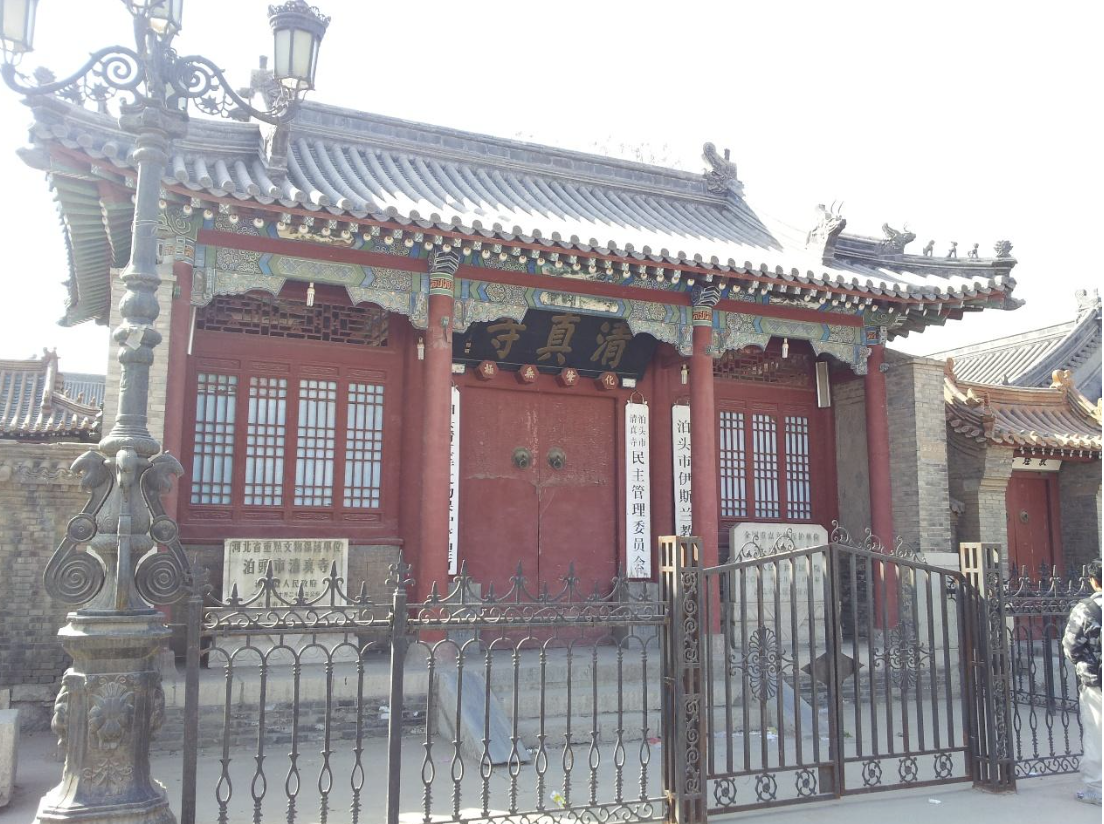
Our group of three arrived at Botou City (泊頭市), southwest of Cangzhou. Since the Ming and Qing dynasties, it has been famous because of the Beijing–Hangzhou Grand Canal (京杭運河). The mosque there is the center of Hui Muslim culture. Zhu Shifu did not accompany us today, but he introduced us to visit Teacher Shi (石老師) of Liuhe Men (六合門) at the mosque. Unfortunately, we were fated not to meet: when we arrived at the mosque, he had just gone home. Hui friends told us that in the past they also practiced Liuhe Quan (六合拳) inside the mosque. When they learned that we also practice martial arts, they happily led us around to look at the place.
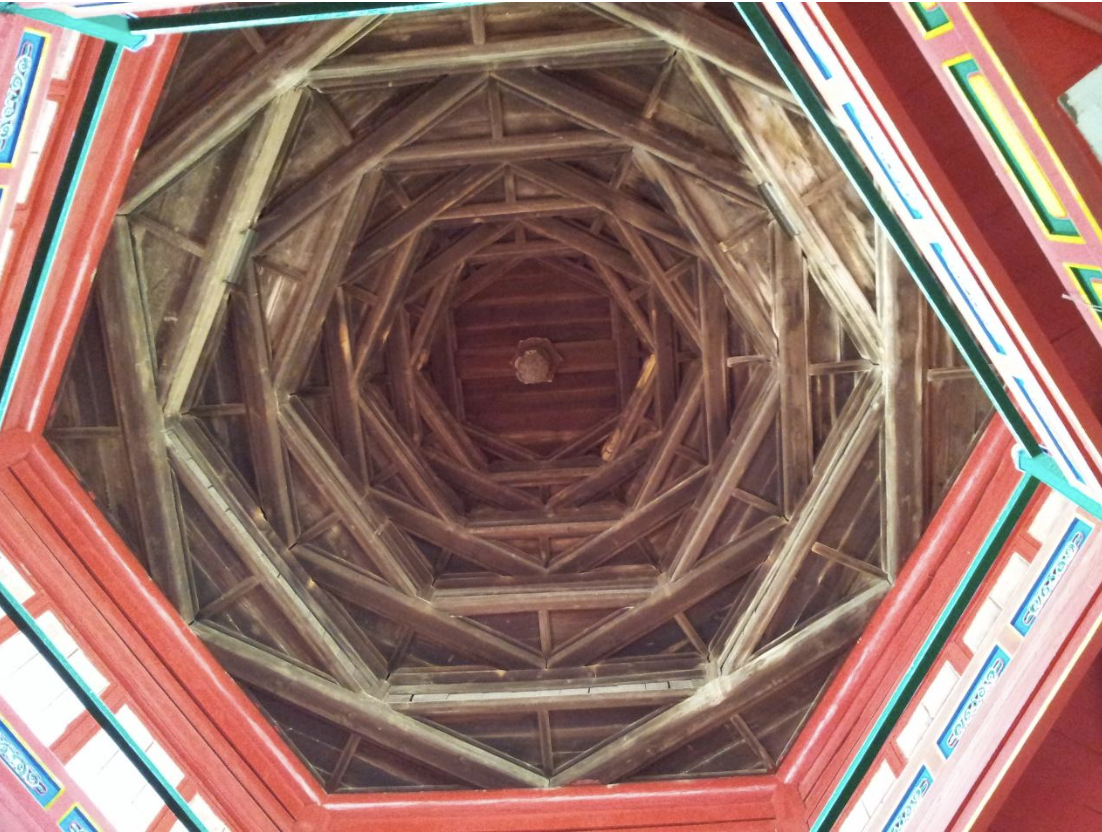
We learned that this mosque is the largest in Hebei Province, covering an area of 15,000 square meters. The main structure is made of wood and has a very long history. It was first built in the second year of the Yongle era of the Ming dynasty (1404), and was rebuilt in the forty-first year of the Kangxi era (1702). The mosque still preserves a sacred edict gifted by the Kangxi Emperor. From the late Qing dynasty to the early Republic, Cangzhou Liuhe Men (滄州六合門) produced many famous figures, such as Li Guanming (李冠銘), Li Fenggang (李鳳崗), Liu Dekuan (劉德寬), Tong Zhongyi (佟忠義), and Wang Ziping (王子平). Li Fenggang had a nationally famous disciple: Wang Zhengyi (王正誼), known as Big Saber Wang Wu (大刀王五). After more than four hundred years of development, Liuhe Men’s kung fu has become very complete. It is summarized as five kinds of training: stance (樁), waist (腰), legs (腿), palms (掌), and qi (氣). Its boxing and weapons are also rich, especially Liuhe Quan (六合拳) and the Large, Medium, and Small Liuhe Spear techniques (大、中、小六合槍法), which are the school’s representatives.
Although we did not meet Teacher Shi this time, we benefited a great deal from exchanging with our Hui martial brothers. It turns out that their ancestors settled in Botou during the Yuan dynasty when they migrated with the Mongols, so wrestling (摔跤) skills have also been passed down in the mosque for generations. Their warm sharing increased our knowledge considerably!
騎走滄州之六
四月六日泊頭市
我們一行三人,到了滄州西南面的泊頭市.明清以來, 因京杭運河的原故而出名.在那裡的清真寺是回族文化的中心.今天祝師並無同行,但介紹我們去清真寺探訪六合門的石老師.可惜我們卻緣慳一面.到達清真寺時,剛巧他回家去了.聽回族朋友說,往日他們也是在清真寺內練習六合拳的.當知道我們也練武,很高興的帶領着我們四處參觀.
據悉這寺是河北省最大規模的清真寺,佔地有一萬五千平方米.主體建築是由木結構造成,歷史很悠久.它始建於明永樂二年 (1404年),又於康熙四十一年(1702年)重建.寺內現時還留有康熙皇帝所送贈的聖諭. 由清朝末年到民初,滄州六合門可謂名人輩出. 如李冠銘、李鳳崗、劉德寬、佟忠義、王子平等.李鳳崗有個全國聞名的徒弟,就是人稱大刀王五的王正誼. 六合門的功夫經過了四百多年的發展已很完備,總括為樁、腰、腿、掌、氣五種功法,拳術和兵器也很豐富,尤其是六合拳和大、中 、小六合槍法更是門派的代表.
我們今次雖然見不到石老師,但跟回族的同道們交流,卻得益不少. 原來他們的祖上是在元代時隨蒙古人遷徙到泊頭來定居,所以在寺內也世世代代地傳習着摔跤的技藝.他們熱情的分享,使我們也增長了不少見識哩!
